Difference Between Wecreat Vision Pro Laser Cutter and Keychron B2 Pro Explained
The Wecreat Vision Pro Laser Cutter and the Keychron B2 Pro serve very different roles in a modern maker's or professional's toolkit. One is a production-class desktop fabrication tool designed to cut and engrave materials; the other is a compact mechanical keyboard optimized for typing, coding, and daily computer interaction. At first glance the comparison is unusual, but a practical, buyer-focused analysis helps readers understand which device fits specific workflows, how each integrates with laptops and workstations, and what buyers typically care about when choosing between tools that influence productivity, creativity, and workspace layout.
Introduction
This article breaks down the differences between the Wecreat Vision Pro Laser Cutter and the Keychron B2 Pro. It explains real-world use cases, common buyer concerns, strengths and weaknesses of each product, and guidance on making a purchasing decision based on needs rather than hype. The goal is to provide clear, actionable information for hobbyists, small business owners, educators, and professionals who are deciding how to invest in desktop fabrication or daily input hardware. Although the devices occupy different categories of equipment, both affect how people work with laptops and desktop setups—whether by enabling new project types or improving daily comfort and efficiency.
Product Overview and Analysis
Wecreat Vision Pro Laser Cutter — What it is and who it's for
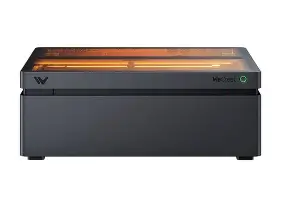
The Wecreat Vision Pro Laser Cutter is a desktop laser system aimed at makers, designers, small manufacturers, and educational labs. It is designed to perform precision cutting and engraving on materials such as wood, acrylic, leather, cardboard, and some thin metals depending on the laser module. Users who select a desktop laser typically do so to prototype parts, produce signage, create custom gifts, or add bespoke engraving to products. For small businesses, the Vision Pro can shorten production cycles and reduce outsourcing costs.
Key practical attributes buyers evaluate include build area, laser power and type (diode, fiber, or CO2), supported materials, airflow and exhaust systems, software compatibility, and safety features like enclosed cutting chambers or interlocks. Real-world users often care most about reliability under repetitive jobs, repeatable alignment for batch work, ease of material handling, and accessible replacement parts and service.
Keychron B2 Pro — What it is and who it's for
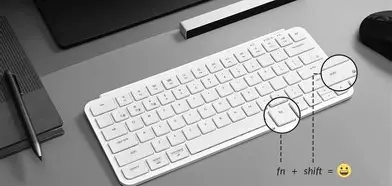
The Keychron B2 Pro is a compact mechanical keyboard designed for typists, programmers, and anyone who spends long periods interacting with a laptop or desktop computer. It focuses on typing feel, ergonomics, and connectivity. Buyers typically prioritize key switch type (tactile, linear, or clicky), layout and size (compact vs full-size), wireless multi-device pairing, battery life, and build quality (plastic vs aluminum frames). For laptop users, a keyboard like the B2 Pro is a way to improve comfort and typing speed while maintaining portability.
Real-world scenarios include remote workers who need a high-quality keyboard at home, developers who switch between laptops and tablets, and creatives who prefer the tactile feedback of mechanical switches for long writing or coding sessions. Additionally, many buyers care about customization options—switch replacement, keycap profiles, and programmable keys—because these affect the keyboard's longevity and adaptability to different work styles.
Detailed Comparison
Comparing a laser cutter and a keyboard requires focusing on categories meaningful to buyers: purpose, workspace impact, technical requirements, learning curve, and long-term value. Below is an analysis across these dimensions.
Purpose and Core Functionality
Wecreat Vision Pro: A tool for fabrication—cuts, engraves, and marks materials. Its value is in creating physical objects and finishes that are difficult or impossible to produce by hand quickly.
Keychron B2 Pro: An input device—improves typing comfort, accuracy, and workflow efficiency. Its value is in the daily interaction with computers and the user’s immediate productivity.
Workspace and Power Considerations
Laser cutters require a dedicated, well-ventilated workspace, suitable power supply, and often an exhaust system to manage fumes and particulates. They also need stable tables and, in many jurisdictions, adherence to safety regulations. Buyers who live in shared housing or small apartments must consider ventilation, noise, and local rules.
Looking for the best Laptops & Computers deals on Amazon?
Shop Amazon →Mechanical keyboards are low-impact: they require no special installation beyond a USB or Bluetooth connection. Portability and battery life are relevant for users moving between locations. The workspace influence is primarily ergonomic—positioning relative to a laptop screen, desk height, and wrist support.
Software and Compatibility
Laser cutters depend on design-to-machine workflows. They typically accept vector files (SVG, DXF) and raster images for engraving. Software compatibility, ease of importing from common design tools, and driver stability are critical. Compatibility with Windows, macOS, and Linux varies by manufacturer and may require vendor software or third-party CAM tools.
Keychron keyboards operate as standard HID devices. Advanced functionality—macros, key remapping, RGB control—may require companion software. Compatibility across operating systems is generally broad, with some differences in modifier key legends and layouts between macOS and Windows.
Safety and Maintenance
Safety is a major differentiator. Laser equipment demands strict adherence to safety measures: enclosed housings, protective interlocks, correct eyewear when appropriate, regular cleaning of optics, and replacement of consumable parts like lenses and filters. Maintenance tasks include cleaning mirrors, calibrating alignment, and replacing belts or belts and bearings depending on the design.
Keyboards have minimal safety concerns; maintenance often consists of occasional cleaning and, if hot-swappable, switch or keycap replacement. Mechanical keyboard durability is measured in switch lifetimes and build quality rather than enclosed safety.
Comparison Table
| Aspect | Wecreat Vision Pro Laser Cutter | Keychron B2 Pro |
|---|---|---|
| Primary Purpose | Material cutting and engraving for prototyping and small-scale production | Compact mechanical keyboard for typing and productivity |
| Target Users | Makers, designers, small business owners, educators | Writers, developers, remote workers, laptop users |
| Workspace Needs | Dedicated, ventilated space; stable surface; exhaust | Minimal; desk space only; portable |
| Connectivity | USB/Ethernet/SD card depending on model; controlled by software | Wired USB and Bluetooth multi-device (typical) |
| Learning Curve | Moderate to steep: design, machine setup, safety | Low: plug-and-play; advanced features optional |
| Maintenance | Regular cleaning, optics maintenance, parts replacement | Occasional cleaning; possible switch/keycap swaps |
| Safety | High-risk equipment; requires safety measures | Low-risk |
| Typical Use Cases | Custom signage, model parts, product engraving, prototyping | Typing, coding, multi-device workflows |
| Portability | Low — heavy and stationary | High — lightweight and easy to move |
Pros & Cons
Wecreat Vision Pro Laser Cutter
- Pros:
- Enables precise cutting and engraving across a variety of materials
- Speeds prototyping and reduces dependence on external suppliers
- Can be a revenue-generating tool for small businesses
- High repeatability for batch jobs
- Cons:
- Requires significant workspace, ventilation, and safety measures
- Higher upfront cost and ongoing consumable costs
- Steeper learning curve for safe and effective use
- Not suitable for casual users or environments with strict emissions rules
Keychron B2 Pro
- Pros:
- Improves typing comfort and productivity
- Portable and easy to pair with laptops and other devices
- Typically durable and customizable (switches/keycaps)
- Low maintenance and minimal setup
- Cons:
- Limited impact beyond input ergonomics and speed
- Some advanced features may require companion software with limited OS support
- Choice of switches is important—wrong switch can reduce comfort
Real-World Use Cases and Buyer Priorities
Understanding real-world contexts clarifies why someone would choose one of these devices and how each affects laptop-centered workflows:
- Small business owner making custom products: A maker who produces engraved gifts or small wooden signs will prioritize the Wecreat Vision Pro because it enables on-demand fabrication and greater control over quality and turnaround times. They will care about throughput, material versatility, and long-term reliability.
- Freelance developer or writer: Someone working primarily with a laptop who wants daily comfort, reduced fatigue, and faster typing will favor the Keychron B2 Pro. Their key priorities are switch feel, battery life, compactness, and cross-device support.
- Educator or workshop coordinator: For classrooms teaching digital fabrication, the Vision Pro provides hands-on learning about design-to-manufacture workflows. Safety training, instructor support, and robust materials handling are primary concerns.
- Hybrid creative professional: A designer who both sketches and prototypes may find value in owning both: the B2 Pro for long hours of design and coding on a laptop, and the Vision Pro for turning digital concepts into physical prototypes.
Buying Guide
When choosing between these devices—or deciding to purchase both—consider the following decision points. The guide assumes the reader uses a laptop as their central computer, and it focuses on how the purchase will integrate with that workflow.
1. Define the primary use
If the primary goal is to produce physical goods, prototypes, or parts, prioritize the laser cutter. If the goal is to improve daily computer interaction, speed, and comfort, prioritize the keyboard.
2. Assess space, ventilation, and safety
For a laser cutter, confirm you have a dedicated area with proper ventilation and a stable, non-flammable surface. Verify local codes for emissions and potential restrictions. For a keyboard, ensure desk ergonomics are suitable: monitor height, wrist support, and chair setup matter.
Looking for the best Laptops & Computers deals on Amazon?
View Offers →3. Budget realistically
Include long-term costs. For a laser, budget for materials, replacement lenses, exhaust filters, and spare parts. For a keyboard, consider different switch types and whether hot-swap capability will save money over time.
4. Check software and file workflows
Laser users should confirm compatibility between design files produced on a laptop and the cutter’s control software. Verify accepted file formats and whether the vendor provides drivers for the laptop’s OS. Keyboard buyers should check OS-level support for special keys and whether companion apps exist for macros or lighting.
5. Consider maintenance and support
A laser cutter buyer should investigate local service, spare parts availability, and community support. For keyboards, check warranty terms, the availability of replacement keycaps or switches, and the brand’s software support policies.
6. Evaluate learning curve and community resources
Laser cutters require training. Look for tutorials, local maker-space classes, or vendor-provided onboarding. Keyboards are straightforward, but community forums and online resources can help optimize keymaps and ergonomics.
7. Think about resale and upgrade paths
High-quality keyboards maintain resale value and are easy to upgrade (switches/keycaps). Laser cutters may hold value if maintained, but rapid technology changes and wear on mechanical parts can affect pricing. Consider modular systems or trade-in options.
8. Safety compliance and insurance
Confirm whether insurance covers operation of fabrication equipment in your premises. Laser cutters may require special endorsements; keyboards do not. Safety documentation and third-party certifications for laser products should influence buying decisions.
How These Devices Relate to Laptops and Daily Workflows
Both devices interact with laptops differently but importantly:
- Workflow extension: The Vision Pro extends the laptop’s design capabilities into the physical world. Designers export files from laptop-based tools to the cutter for execution.
- Interaction quality: The Keychron B2 Pro directly affects the quality of interaction with a laptop—typing speed, comfort, and multi-device switching dramatically shape daily productivity.
- Portability vs permanence: Keychron keyboards are portable and complement mobile laptop use. Laser cutters are fixed resources that change what work is possible in a given workspace rather than how one interacts with the laptop.
Conclusion
Comparing the Wecreat Vision Pro Laser Cutter to the Keychron B2 Pro clarifies that these products serve fundamentally different needs. The laser cutter is a production and prototyping tool that transforms digital designs into physical goods; it demands space, safety, and a willingness to learn machine workflows. The Keychron B2 Pro is a productivity and ergonomics tool that enhances daily interaction with a laptop and requires minimal setup. Buyers should select based on primary use: choose the Vision Pro to expand fabrication capabilities and enable new product lines, or choose the B2 Pro to improve typing comfort and multi-device workflows. For professionals and serious hobbyists, both devices can be complementary: one to create and the other to interact more effectively with the digital side of those creations. Ultimately, the right purchase aligns with the buyer's workspace, budget, and the tasks they need to accomplish.