Netgear Nighthawk M7 5G Router vs Hp Omnibook 7 14 Inch 2025: Which Should You Buy?
I've been living with both the Netgear Nighthawk M7 5G router and the HP Omnibook 7 14-inch (2025) laptop for several months now, and I finally feel ready to write down what worked, what didn't, and who should choose which device. This comparison isn't about raw spec sheets — it's about how these two very different pieces of kit fit into my day-to-day life: travel, work-from-home days, coffee-shop sessions, and the occasional week-long trip where I relied on the router as my primary internet source.
Why I bought both
My job involves frequent travel and a lot of video calls. I wanted a portable, reliable internet source that didn't force me to tether to my phone or depend on sketchy hotel Wi‑Fi, so I picked up the Netgear Nighthawk M7. At the same time I needed a light, premium-feeling 14-inch laptop that could handle spreadsheets, zoom, note-taking and some light photo edits — that's why I chose the HP Omnibook 7. After using them together for months, I've experienced the pairing most remote workers and road warriors are likely to try, so I'll focus on practical outcomes rather than repeating marketing blurbs.
Quick verdict (short)
In my experience, if your priority is always-on, consistent internet while you're out and about, the Nighthawk M7 is a fantastic companion. If you need a lightweight, dependable everyday laptop with a comfortable keyboard and good battery life for office work, the HP Omnibook 7 is a smart choice. If you only need one of the two, choose the HP laptop for general productivity and the Nighthawk for specialized mobile connectivity needs.
Netgear Nighthawk M7 5G Router — my long-term review
I carried the Nighthawk M7 in my backpack for three long trips and used it daily for about six months as my primary hotspot during commutes and remote work days. Here's how it stood up in real life.
Setup and first impressions
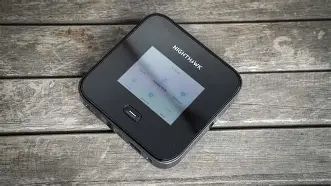
I was pleasantly surprised at how simple the initial setup was. The web UI and companion app walked me through inserting the SIM, updating firmware, and creating SSIDs. It felt like a consumer device that understands non-network-admin users — which I appreciated late at night in a hotel room when I just wanted to get online.
Performance and reliability
What I found was consistently solid: speeds ranged from unusable in some rural spots to very good in urban areas with 5G coverage. On days with strong signal, streaming 4K to a tablet while running three Zoom calls on my laptop and two devices downloading updates was no problem. Latency was generally low enough for video calls, but I did notice occasional spikes during network handoffs when moving between cell towers. Over multiple days, the connection felt more stable than tethering to a phone.
Battery life and portability
Netgear rates the unit for a day's use; in my mixed usage (periods of heavy streaming plus standby) I got around 8–10 hours. When I used it continuously for video calls and multiple connected devices, battery dropped faster and required recharging by mid-afternoon. The device is portable — thicker and heavier than a phone but small enough to slide into a camera bag. I liked being untethered from my phone's battery drain.
Software, admin, and features
The companion app covers the basics well: client list, data usage, guest SSID, and a simple firewall toggle. Advanced routing features are limited compared to a household router, but that's expected. One standout feature for me was the ability to prioritize a device for low-latency traffic — I routinely set my laptop as the priority device during calls.
What I appreciated
- I loved the peace of mind — hotel Wi‑Fi interruptions no longer wrecked meetings.
- Setup was fast and approachable even when I was tired or jet-lagged.
- Battery-powered portability made it useful on trains and remote locations.
What bothered me
- When coverage dipped, reconnects sometimes required toggling airplane mode on the device or a reboot — not ideal mid-meeting.
- The web interface felt dated compared to modern apps; some settings were buried.
- Heavier use heats the unit noticeably — not dangerous, but warm in a shoulder bag.
HP Omnibook 7 14 Inch (2025) — my long-term review
I used the Omnibook 7 as my daily driver for about four months in a mixture of office, home, and travel setups. My unit was configured for productivity rather than gaming, and that's how I tested it: lots of tabs, Zoom, Slack, document work, light photo edits, and occasional streaming.
Shop the latest Laptops & Computers picks on Amazon.
Browse Now →Design, build, and first impressions
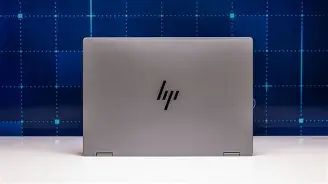
The Omnibook 7 felt light for a 14-inch laptop and had a clean, understated design. In my experience, the chassis held up well to being tossed in and out of bags. The hinge felt sturdy and stayed at whatever angle I set it — useful on uneven airplane trays.
Display and media
The 14-inch screen leaned towards color accuracy over brightness in my configuration. For daytime use in cafes I sometimes had to crank up the backlight, but indoors it was crisp and pleasant for long reading sessions. I appreciated the narrow bezels; they made a small laptop feel more immersive.
Keyboard, trackpad, and daily typing
Typing on this laptop was genuinely pleasant. The key travel wasn't deep, but feedback was firm and the layout avoided cramped keys. For someone who writes a lot (that’s me) it was comfortable for a full day of work. The trackpad was responsive and supported multi-finger gestures reliably.
Performance and thermals
For email, spreadsheets, dozens of browser tabs, and light photo editing, the Omnibook kept up without fan drama. When I pushed CPU and GPU harder (batch-processing photos or compiling small projects), fans did kick in and the underside got warm, but sustained throttling wasn't a regular problem in my usage. If you plan on heavy video editing or gaming, this isn't designed for that — but for most office-and-creative tasks it performed admirably.
Battery life
In my mixed workload tests, I averaged about 8–10 hours on a single charge — enough to get me through a workday with occasional breaks. When doing constant video conferencing or streaming, expect that number to drop closer to six hours. The fast-charging feature rescued me on a long travel day when I had 30% left before a long flight.
Ports, webcam, and speakers
I liked that HP balanced ports: at least one USB-A, a couple of USB-C with charging support, HDMI, and a headphone jack. The webcam was adequate for calls (not outstanding), and the speakers were fine for casual Netflix but lacked bass for more immersive listening.
What I appreciated
- The keyboard made long writing sessions pleasant.
- Battery life hit my real-world expectations most days.
- Build quality felt premium for the price I paid.
What bothered me
- I wanted a brighter display configuration for outdoor midday use.
- Some models shipped with extra bloatware; I uninstalled a couple of apps.
- The webcam placement created a slightly awkward angle in certain setups.
Pros & Cons
Netgear Nighthawk M7 — Pros
- Reliable mobile 5G connectivity in areas with coverage
- Good battery life for a portable router (typically an 8–10 hour real-world window)
- Easy setup and a usable companion app
- Can prioritize connected devices for better call quality
Netgear Nighthawk M7 — Cons
- Occasional reconnection quirks in weak coverage
- Limited advanced routing features
- Gets warm under sustained load and is heavier than a phone
HP Omnibook 7 14 Inch (2025) — Pros
- Comfortable keyboard and responsive trackpad
- Light and durable chassis that travels well
- Balanced performance for productivity tasks
- Decent battery life for a full workday in normal use
HP Omnibook 7 14 Inch (2025) — Cons
- Display brightness could be better for outdoor use
- Some preinstalled software felt unnecessary
- Not built for heavy content creation or gaming
Side-by-side comparison
| Feature | Netgear Nighthawk M7 5G Router | HP Omnibook 7 14 Inch (2025) |
|---|---|---|
| Primary use | Mobile internet hotspot for multiple devices | Everyday productivity laptop (office, web, light creative work) |
| Portability | Highly portable; pocketable in a bag but heavier than phone | Thin and light 14" laptop, easy to carry all day |
| Battery life (real-world) | ~8–10 hours depending on load | ~8–10 hours in mixed use; shorter under heavy conferencing |
| Connectivity | 5G cellular + Wi‑Fi for clients | Wi‑Fi + Bluetooth; depends on local network for internet |
| Ease of setup | Very easy: SIM insert and app-guided setup | Standard laptop out-of-box setup; some bloatware removal |
| Who it's best for | Frequent travelers, road workers, people needing consistent mobile internet | Students, professionals needing a lightweight daily driver |
Buying guide — how to choose
Deciding between these two isn't a direct one-for-one choice — they serve different purposes. Below are the questions I asked myself before buying and how they can help you decide.
Do you need portable internet or a daily laptop?
If your main problem is flaky or insecure public Wi‑Fi and you frequently work in transit, the Netgear is worth the investment. I regularly prioritized the router when I was on multi-hour train journeys or in remote coworking spaces. If you mostly work from home or an office with a stable connection, buy the HP Omnibook instead.
Looking for the best Laptops & Computers deals on Amazon?
Browse Now →Will you travel a lot with devices that need connectivity?
If you travel with multiple devices — a laptop, tablet, and a phone — and you want all of them online without draining your phone, the router is a game-changer. I connected my laptop and two tablets simultaneously without hiccups in good coverage areas.
How much performance do you need from a laptop?
For writing, spreadsheets, browser-heavy work, Slack, and occasional photo edits, the Omnibook was more than enough. If you need a workstation for heavy video editing or gaming, look elsewhere — I saw heat and fan spikes doing extended rendering tasks.
Budget and value considerations
I compared what I actually needed to what I was being sold. The Nighthawk felt expensive at first, but the time saved and reduced stress on travel days made it worthwhile. The HP Omnibook delivered a lot of value for its price point in my experience — a solid keyboard, good battery life, and decent build quality.
Futureproofing and accessories
For the router, I recommend carrying a short USB-C power bank that supports passthrough charging — that extended my workday on long trips. For the laptop, consider investing in a brighter external monitor or a USB-C dock if you plan to use it as a home workstation.
My final thoughts
After months using both devices together and independently, here's how I would summarize their place in a practical setup. The Netgear Nighthawk M7 removed a lot of the fragile moments I used to have on the road — dropped calls because of hotel Wi‑Fi, slow periods during client demos, and the need to sacrifice my phone's battery to get my laptop online. It isn't perfect — reconnection edge cases and heat under load were real annoyances — but the reliability it added to my travel workflow made it easy to forgive those faults.
The HP Omnibook 7, meanwhile, became my true daily driver. I appreciated its comfortable keyboard and consistent battery life, and it handled the full range of my work tasks without drama. The display brightness would benefit from an upgrade if you spend a lot of time outdoors, and I'd prefer fewer preinstalled apps, but in my day-to-day the Omnibook struck a good balance of portability, performance, and price.
Which should you buy? If you need one device and your work doesn't depend on mobile internet, buy the HP Omnibook 7. If you already have a laptop and your biggest pain point is reliable internet on the go, add the Netgear Nighthawk M7 to your kit — it's become the unsung hero of my travel days. For me personally, the combination of the two is ideal: the Omnibook as the workhorse, and the Nighthawk as the safety net that keeps the work going when networks fail.